
Mastering the art of bluffing in poker at the casino
Understanding the Psychology of Bluffing
Bluffing in poker isn’t just about deceit; it’s a complex interplay of psychology. To successfully bluff, a player must understand not only their own tendencies but also those of their opponents. Recognizing the type of player you’re up against can significantly influence your bluffing strategy. For instance, a seasoned player may be more difficult to bluff than a novice, especially if they have experience with a non gamstop casino where strategies are constantly evolving. Therefore, taking the time to analyze your opponents can lead to a more effective bluffing technique.
The emotional aspect of bluffing is critical; players must maintain a calm and composed demeanor. If a player shows signs of nervousness or impatience, it can be a clear giveaway that they are trying to deceive. Understanding emotional cues can help you better gauge when to bluff and when to call it quits. Thus, mastering the psychology behind both your actions and your opponents’ behaviors is crucial for successful bluffing in poker.
Moreover, bluffing isn’t just about the cards you’re holding; it’s about the story you tell with your gameplay. You want to build a narrative that convinces your opponents that you have a stronger hand than you actually do. This requires consistency in your betting patterns and body language. Successful bluffers often employ techniques that seamlessly integrate their behavior and betting style to create an aura of confidence around their supposed strong hands.
Choosing the Right Moments to Bluff
Timing is everything in poker, especially when it comes to bluffing. Knowing when to employ a bluff can drastically change the outcome of a hand. The best moments are often when the community cards align favorably but do not directly suggest a strong hand for your opponents. For example, if a board shows potential for a flush or straight that you do not possess, yet you bet strongly, you may make your opponents fold if they too are on the fence about their hand strength.
It’s also essential to consider the table dynamics and the current game state. If you notice that an aggressive player has recently lost a significant pot, they might be more prone to folding in subsequent hands. Capitalizing on such player psychology can present an ideal opportunity to bluff. Likewise, if a player has been consistently aggressive, your bluff may need to be more substantial to get them to reconsider their strategy.
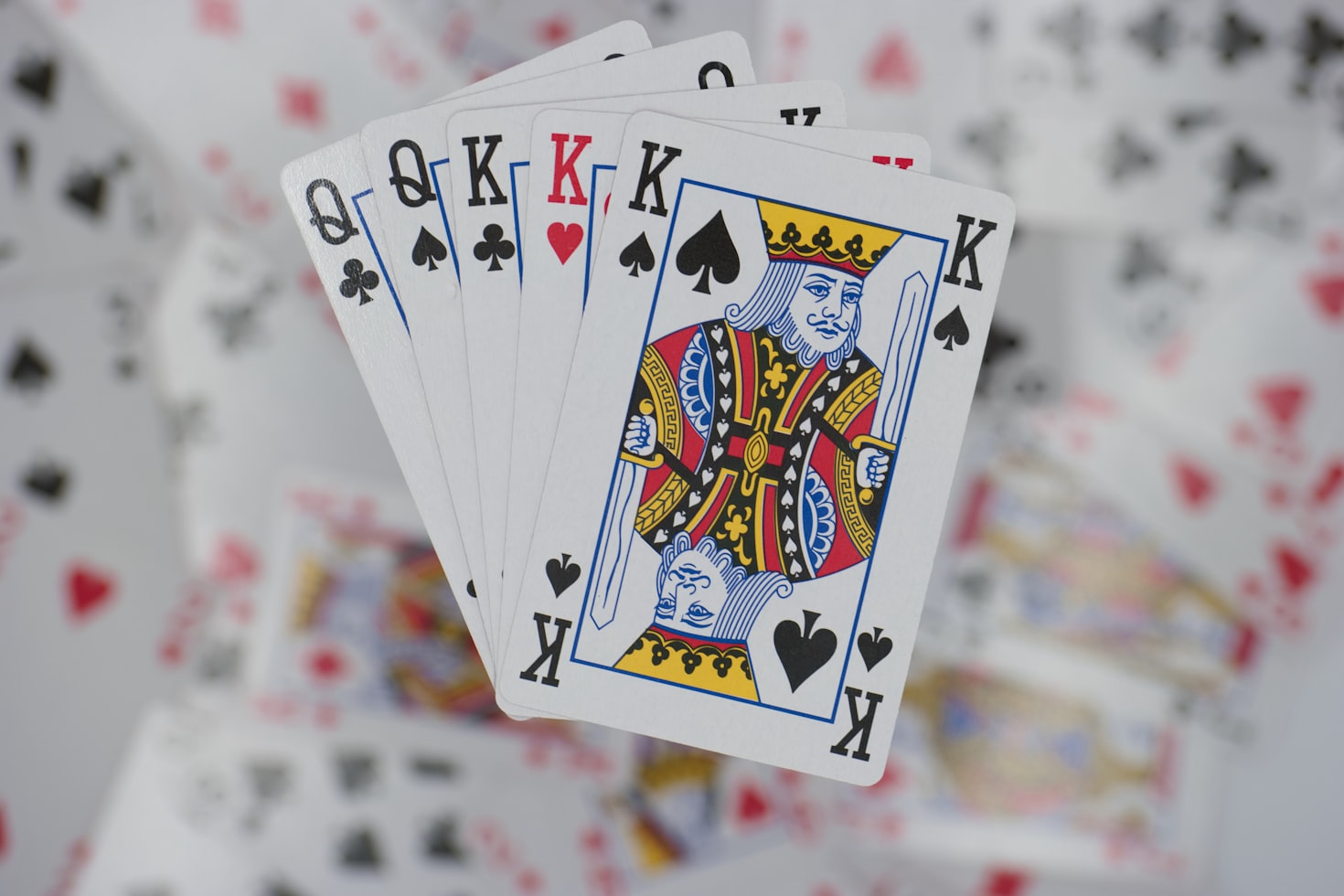
Additionally, position at the table matters immensely when bluffing. Being in a later position allows you to observe how your opponents react to the flop before making your move. If the players before you are hesitant, it’s a good sign that your bluff could work. On the other hand, if everyone before you is placing large bets, your chances of success may be lower. Thus, mastering the art of timing and position can greatly enhance your bluffing strategy.
The Mechanics of Bluffing: Techniques and Strategies
There are various techniques that players can employ to bluff effectively in poker. The semi-bluff is one such approach. In a semi-bluff, players bet or raise with a hand that is not currently strong but has the potential to improve. This creates a dual threat; it forces opponents to make tough decisions while also saving the player if they happen to hit a favorable card on the river. This technique can be particularly effective in games like Texas Hold’em, where the community cards can drastically change the dynamics of a hand.
Another key strategy involves varying your bluffing frequency to keep opponents guessing. If you bluff too often, your opponents will call you more frequently, undermining your deception. Conversely, if you bluff too infrequently, you may miss out on opportunities to capitalize on weak hands. A balanced approach that includes occasional bluffs alongside strong hands can create a more unpredictable and challenging environment for your opponents.
Body language and non-verbal signals can also enhance your bluffing game. A confident posture, steady voice, and consistent betting style can reinforce your credibility. If you’re bluffing, the goal is to project confidence and certainty in your hand. On the contrary, fidgeting or displaying signs of anxiety can give away your intentions. Mastering the non-verbal elements of poker can make your bluffs more convincing and increase your chances of success.
Common Mistakes to Avoid When Bluffing
While bluffing can be a powerful tool, there are common pitfalls that every player should be aware of. One of the biggest mistakes is over-bluffing. Engaging in too many bluffs can erode your credibility at the table, making it easier for opponents to call your bets. Players must develop a keen sense of when to bluff and when to hold back. The balance between aggression and caution is essential for mastering the art of bluffing.

Another common issue is failing to adapt your strategy to different opponents. Each player has a unique playing style—some are more cautious while others are incredibly aggressive. Not adjusting your bluffing techniques based on your opponents can lead to disastrous outcomes. For example, bluffing against a player who rarely folds is likely to be fruitless, while an opponent who frequently folds can be an easy target for your deception.
Additionally, players sometimes overlook the significance of bet sizing. An insufficiently large bet may not convince opponents to fold, while an overly large bet might raise suspicion. Finding the right balance in your bet sizing can help you maintain the art of bluffing without giving away your hand. Therefore, understanding the stakes involved and adapting your strategy accordingly can lead to more successful bluffs.
Exploring Resources for Poker Strategy and Bluffing
For those eager to deepen their understanding of bluffing in poker, numerous resources are available online and offline. Books written by poker professionals often provide invaluable insights into advanced strategies, including the nuances of bluffing. These texts can serve as a solid foundation for players looking to elevate their game, offering both theoretical knowledge and practical examples of successful bluffing techniques.
Online poker forums and communities also present a wealth of information. Engaging with fellow players can provide different perspectives and strategies that can enhance your bluffing skills. Sharing experiences and discussing tactics with other enthusiasts allows you to learn from both successes and failures, cultivating a deeper understanding of the game.
Finally, utilizing practice tools and apps can effectively sharpen your skills. Many platforms offer simulation games that allow users to experiment with bluffing in a risk-free environment. By practicing different scenarios, players can gain confidence and proficiency in their bluffing techniques, thus preparing them for real casino experiences. These resources make it easier to integrate new strategies into your game and refine your overall poker mastery.